


Flag of Malta
The national flag of Malta is a unique and historically rich symbol, embodying centuries of resilience, unwavering faith, and enduring national identity. Its strikingly simple yet profound design features two vertical halves: white on the hoist side and red on the fly side. The defining characteristic of the Maltese flag is the George Cross, edged ..


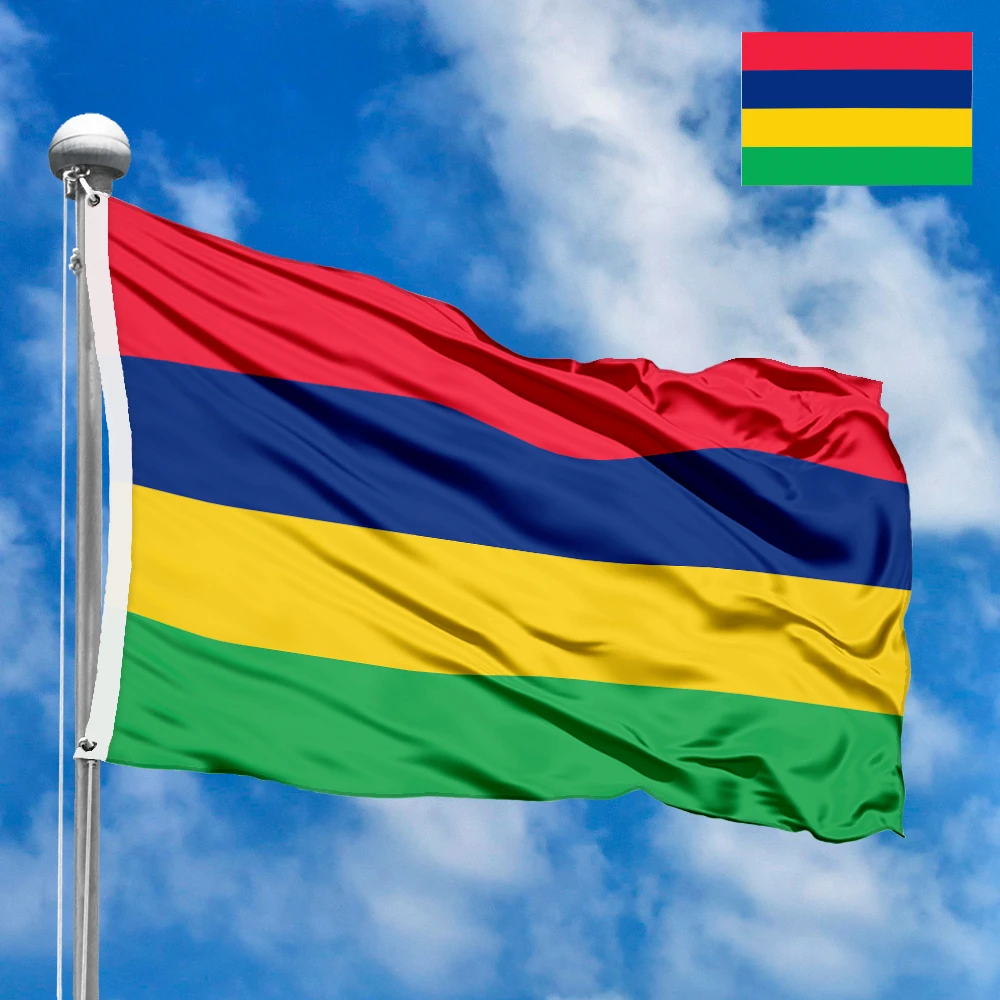
Flag of Mauritius
The national flag of the Republic of Mauritius is a vibrant and deeply symbolic emblem, encapsulating the island nation's journey from colonial rule to a thriving independent state. Adopted on March 12, 1968, the day Mauritius gained independence from the United Kingdom, the flag's design is a powerful visual narrative of its history, diverse popul..


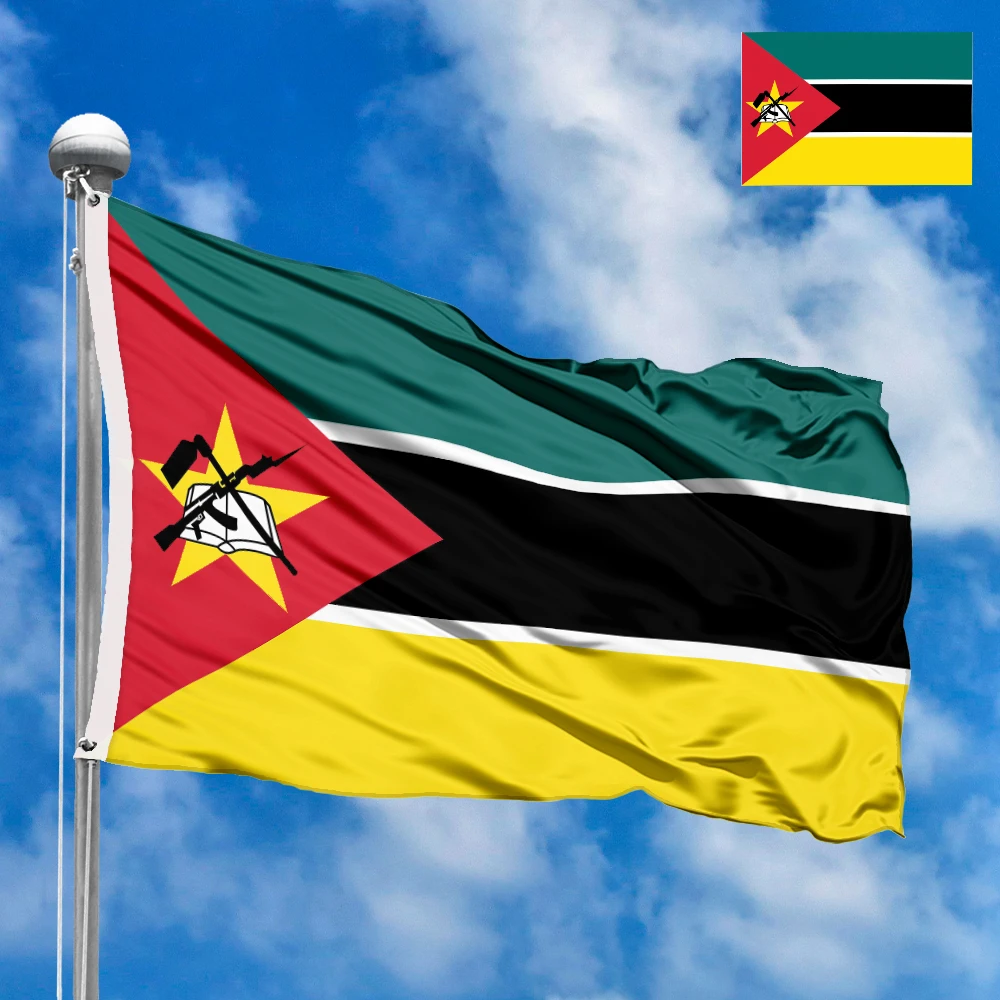
Flag of Mozambique
The national flag of the Republic of Mozambique is a truly unique and potent symbol, instantly recognizable for its distinctive design featuring an AK-47 assault rifle, a hoe, and an open book. Adopted on May 1, 1983, it is one of the few national flags in the world to depict a modern firearm, making it a powerful testament to Mozambique's arduous ..


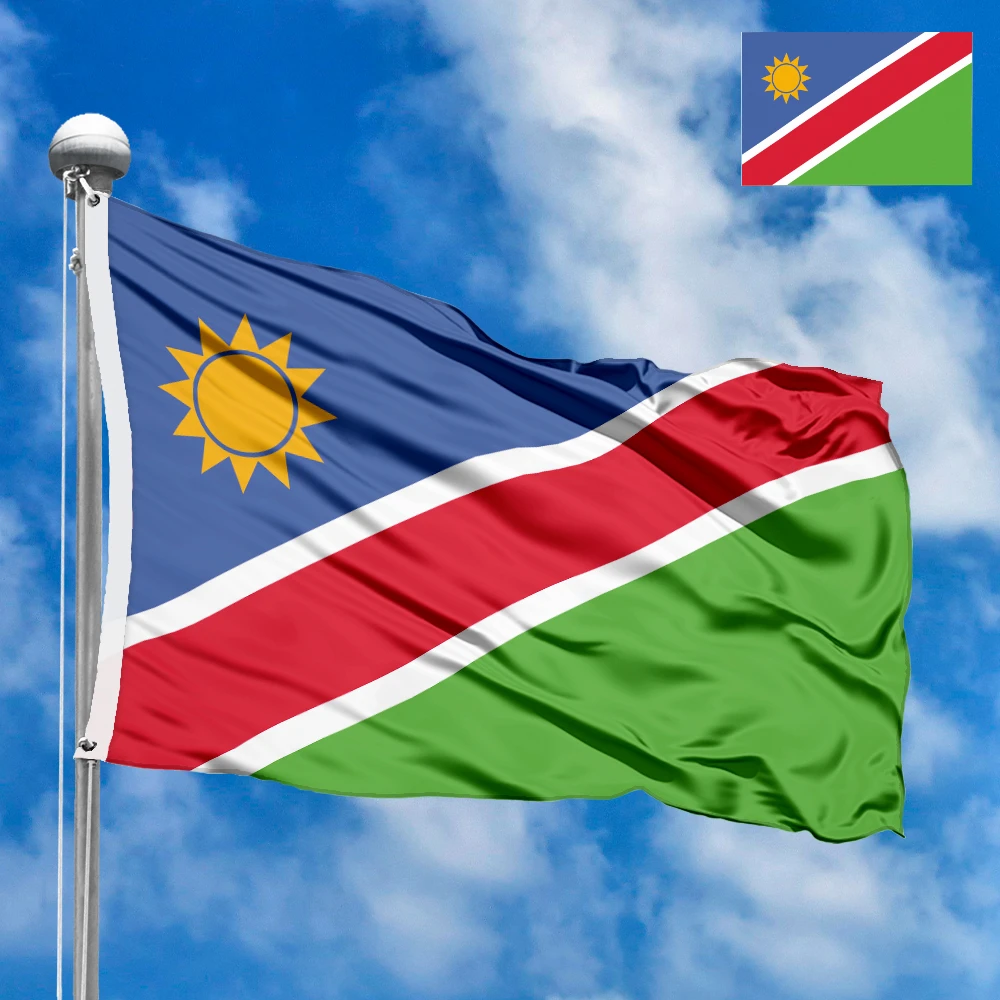
Flag of Namibia
The national flag of the Republic of Namibia is a visually striking and deeply meaningful emblem, serving as a powerful testament to the nation's arduous struggle for independence, its rich natural resources, and its profound aspirations for peace, unity, and prosperity. Adopted on March 21, 1990, the very day Namibia gained full independence from ..


Flag of Nauru
The flag of Nauru is a symbol of a nation's unique geography, its journey to independence, and the elements that define its history and identity. Adopted on January 31, 1968, the day the island nation gained independence, the flag's design is both simple and profoundly meaningful, telling a story of location, heritage, and the promise of a future. ..



Flag of Nigeria
The national flag of the Federal Republic of Nigeria is a striking and powerful symbol of the nation's independence, its agricultural wealth, and its aspirations for peace. Adopted on October 1, 1960, the day Nigeria gained full independence from British rule, its design is a testament to the vision of a young nation embarking on a journey of self-..



Flag of Pakistan
The national flag of Pakistan is a profound symbol of the nation's founding principles, its rich Islamic heritage, and the aspiration for unity and progress among its diverse population. Known affectionately as the "Subz Hilali Parcham" (Green Crescent Flag), it was officially adopted on the eve of Pakistan's independence, representing a new dawn f..


Flag of Papua New Guinea
The flag of Papua New Guinea is a striking and powerful symbol of the nation's unique identity, rich cultural heritage, and its journey to independence. Adopted on July 1, 1971, the flag's design is a testament to the creativity of its people, as it was the winning entry in a nationwide competition. Design and Symbolism The flag is divided diagon..



Flag of Rwanda
The national flag of the Republic of Rwanda is a modern and symbolically rich emblem that reflects the nation's profound journey from a tumultuous past marked by genocide to a future envisioned with unity, peace, prosperity, and hope. Adopted on December 31, 2001, it replaced an older flag that had become associated with the tragic events of the 19..


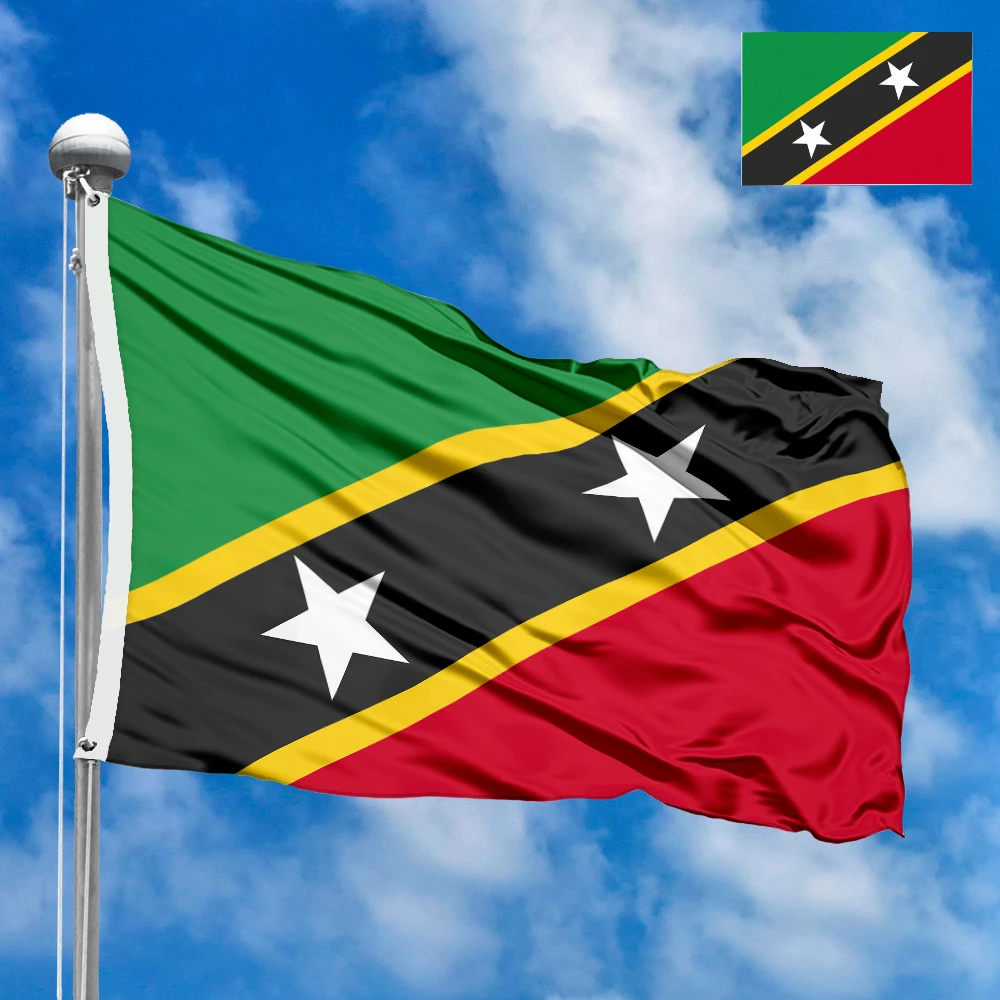
Flag of Saint Kitts and Nevis
The national flag of the Federation of Saint Kitts and Nevis is a symbol of profound significance, encapsulating the history, values, and natural beauty of this dual-island nation. Adopted on September 19, 1983, the day the country achieved full independence from the United Kingdom, its design is not only visually striking but also deeply rooted in..


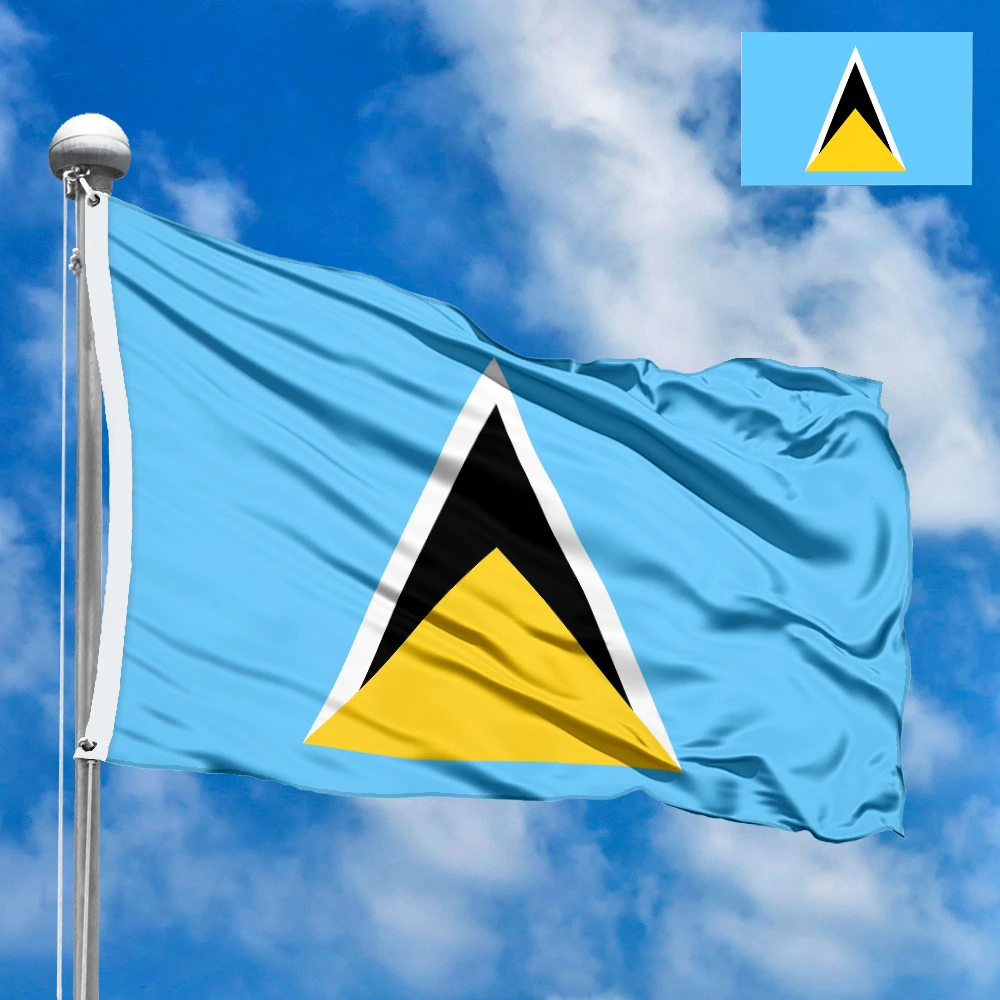
Flag of Saint Lucia
The national flag of Saint Lucia is a striking and elegant symbol that embodies the unique geography, history, and aspirations of this Caribbean island nation. Adopted on March 1, 1967, and in its current form on February 22, 1979, upon achieving full independence, the flag's design is a testament to the country’s identity and its most famous..



Flag of Saint Vincent and the Grenadines
The national flag of Saint Vincent and the Grenadines is a vibrant and elegant symbol that perfectly captures the essence of this Caribbean island nation. It is a visual narrative of the country's geography, its people's spirit, and its place in the world. Adopted on October 21, 1985, this flag replaced an earlier design and has since become a powe..


Flag of Samoa
The flag of Samoa is a striking and symbolic representation of the nation's independence, its deep-rooted connection to the Pacific Ocean, and its commitment to Christian values. Adopted on February 24, 1949, and officially retained upon gaining full independence on January 1, 1962, the flag's design tells a story of sovereignty and heritage. Desi..


Flag of Seychelles
The national flag of Seychelles is a visually striking and uniquely designed emblem that powerfully conveys the nation's aspirations for progress, unity, and its place in the modern world. Adopted on June 18, 1996, this flag replaced an earlier design, signifying a new era for the island nation and embodying the dynamic and forward-looking spirit o..



Flag of Sierra Leone
The national flag of Sierra Leone is a striking tricolor, a bold and vibrant representation of the West African nation's geography, its aspirations for peace, and its rich natural resources. Adopted on April 27, 1961, the day Sierra Leone gained independence from British colonial rule, the flag’s design is a powerful visual statement of the c..



Flag of Singapore
The national flag of Singapore is a vibrant and deeply symbolic emblem that encapsulates the aspirations, values, and unique identity of this dynamic island nation. Unveiled on December 3, 1959, when Singapore achieved self-governance from British colonial rule, it was carefully crafted to represent the diverse population and the collective vision ..



Flag of South Africa Republic of South Africa
The national flag of South Africa is a vibrant and exceptionally symbolic emblem, renowned worldwide for its unique design and the profound message it conveys. Adopted on April 27, 1994, it stands as a powerful testament to the nation's transition from apartheid to a democratic, multicultural society, embodying unity in diversity. This comprehensiv..


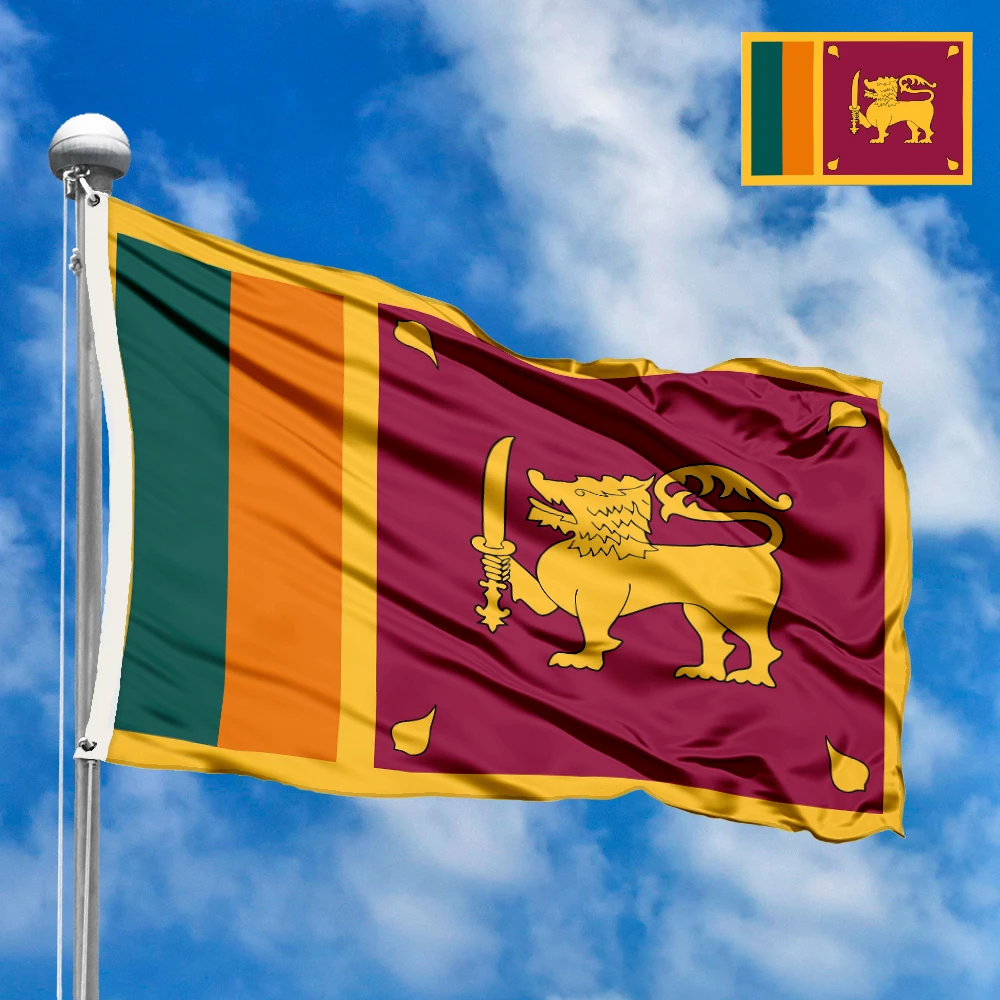
Flag of Sri Lanka
The National Flag of Sri Lanka, affectionately known as the "Lion Flag" (Sinha Dhvaja), is a powerful and vibrant emblem that encapsulates the island nation's rich history, diverse heritage, and enduring aspirations. Adopted officially on February 4, 1948, the day Sri Lanka (then Ceylon) gained independence from British rule, and further refined in..


Flag of Tanzania
The national flag of Tanzania is a dynamic and deeply symbolic representation of the East African nation's rich natural environment, its people, and its aspirations for unity, peace, and progress. Adopted on April 26, 1964, following the union of Tanganyika and Zanzibar to form the United Republic of Tanzania, the flag ingeniously combines elements..


Flag of the Bahamas
The national flag of The Bahamas is a striking and symbolic emblem that perfectly encapsulates the nation's identity, its people, and its stunning natural environment. Adopted upon gaining independence in 1973, its design is a testament to the country's unity, prosperity, and the boundless beauty of its archipelago. The flag is a source of immense ..


Flag of the Solomon Islands
The flag of the Solomon Islands is a vibrant and modern symbol that encapsulates the nation’s geography, natural resources, and its journey to independence. Adopted on November 18, 1977, in anticipation of its full sovereignty, the flag is a visual representation of the country’s identity and aspirations. Design and Symbolism The flag..


Flag of Tonga
The flag of Tonga is a powerful and deeply religious symbol that represents the nation’s profound connection to Christianity and its unique constitutional history. Adopted on November 4, 1875, it is one of the oldest national flags in continuous use in the Pacific. Design and Symbolism The flag features a red field with a white canton in th..


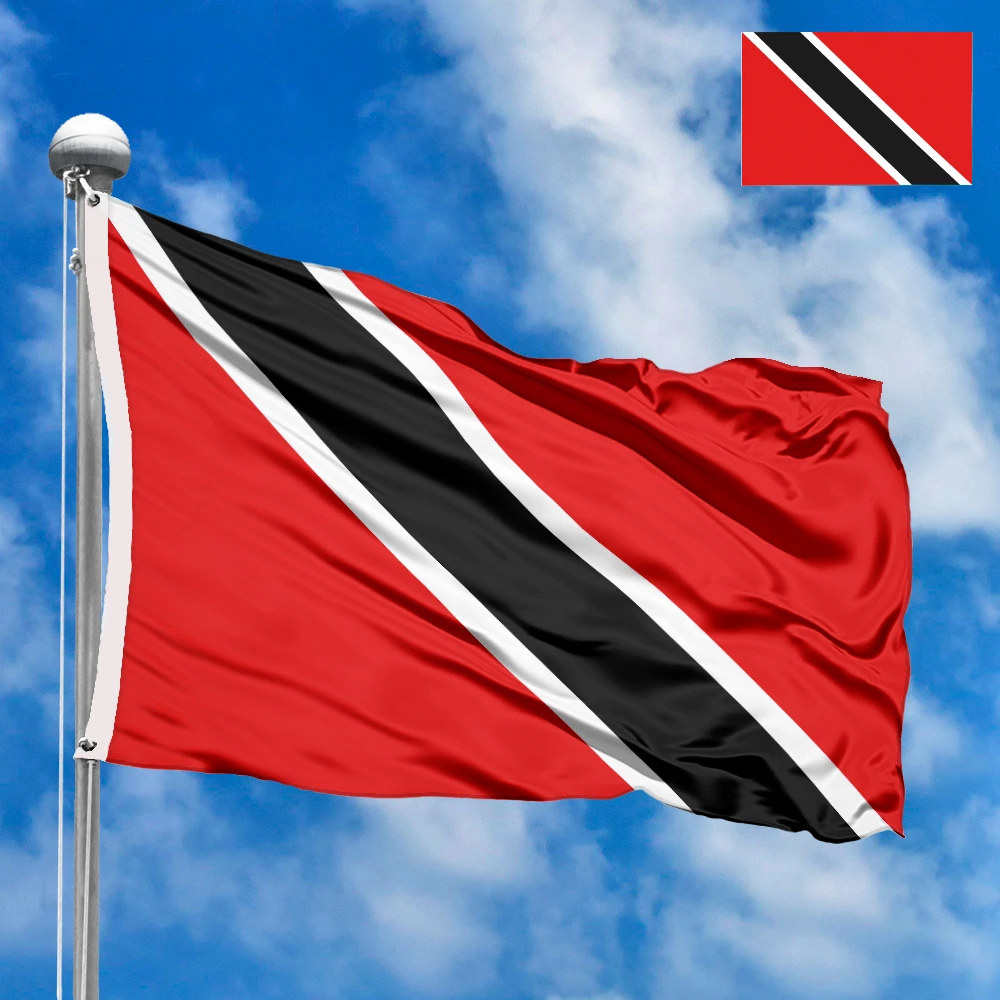
Flag of Trinidad and Tobago
The flag of Trinidad and Tobago is a meticulously designed emblem, rich with symbolism that reflects the country’s unique character, geography, and aspirations. Adopted on August 31, 1962, the very day the nation achieved its full independence from the United Kingdom, the flag's creation was a deliberate act of nation-building. It was the res..


Flag of Tuvalu
The flag of Tuvalu is a deeply symbolic banner, representing the geography, history, and national identity of this Pacific island nation. Adopted on April 11, 1997, it features a unique combination of traditional elements and modern identity. Design and Symbolism The flag has a light blue field, with the Union Jack in the canton and nine yellow f..


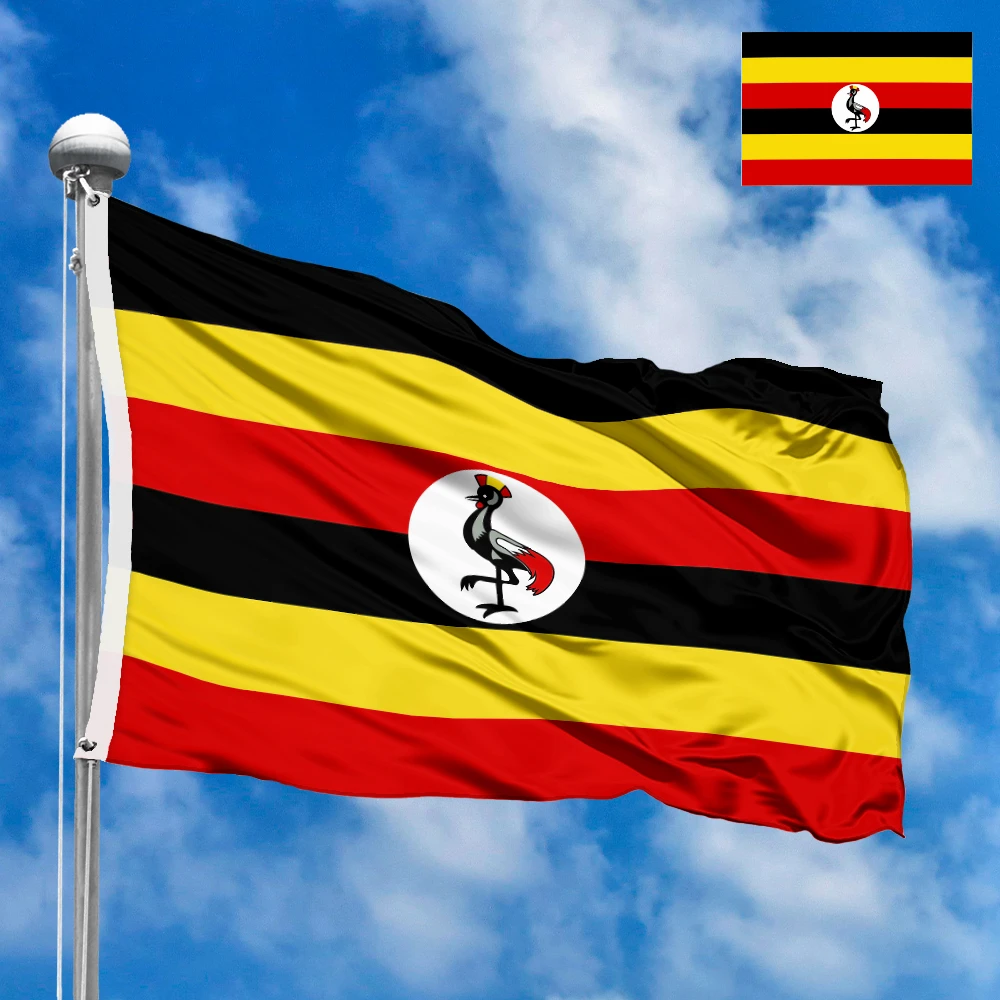
Flag of Uganda
The national flag of Uganda is a striking and deeply symbolic emblem that encapsulates the nation's unique identity, rich history, and aspirations for peace and prosperity. Adopted on October 9, 1962, the very day Uganda gained its independence from British colonial rule, the flag was designed by Grace Ibingira, who was then the Minister of Justice..
 Flags of Europe
 Flags of Asia
 Flags of Africa
 Flags of North America
 Flags of South America
 Flags of Australia and Oceania
 Flags of Antarctica
 Flags of International Organizations
 LGBT Community Flags
 Historical Flags
 Flags of the US States
 Ethnic flags